By: Liana Rhodes
Every few years, the world watches another country spend billions of pounds hosting a sporting event. Stadiums are built, transport systems are upgraded and opening ceremonies become global spectacles. Governments often describe these events as investments that will generate tourism, create jobs and leave a lasting legacy.
Yet the economic evidence tells a more complicated story.
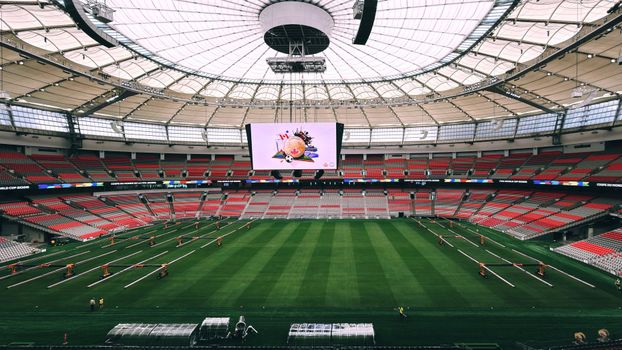
Take the 2016 Rio Olympics. Brazil invested an estimated $13 billion in preparation for the Games. While the event attracted millions of visitors and showcased the country to a global audience, many of the venues have since fallen into disuse, with some requiring millions more to maintain. Similar concerns emerged after the 2004 Athens Olympics, where expensive facilities became symbols of underused public spending.
If hosting major sporting events is so expensive, why do countries keep bidding for them?
Part of the answer lies in economics, but not in the way many people expect. Governments often justify hosting events by pointing to direct economic benefits. Visitors spend money in hotels, restaurants and local businesses. Temporary jobs are created during construction, while infrastructure projects can improve transport and public spaces. In theory, these investments should continue benefiting the economy long after the final whistle.
The problem is that these benefits are often overstated. Economists refer to this as the substitution effect. Many local residents who spend money during the event would have spent it elsewhere in the economy anyway. Instead of creating entirely new spending, major tournaments often redirect existing spending from one sector to another.
Forecasts can also be overly optimistic. Cities hoping for millions of additional tourists sometimes find that regular visitors stay away because of congestion or higher prices. As a result, the net increase in tourism is often smaller than expected.
This does not mean hosting sporting events is a poor decision. Many of the most valuable benefits cannot be measured through ticket sales or hotel bookings alone. Countries may use sport to strengthen their international reputation. The 2022 FIFA World Cup allowed Qatar to introduce itself to billions of viewers, while nations such as South Africa and Japan have also used global sporting events to project a modern image to the world. Economists often describe this as an investment in soft power: the ability to influence others through attraction rather than force.
Hosting can also accelerate infrastructure projects that might otherwise take decades. New transport systems, airports and public spaces often remain long after the competition has ended. When these projects meet genuine long-term needs, the benefits can extend well beyond sport.
The success of a sporting event therefore depends less on the tournament itself and more on the planning behind it.
London is often presented as a positive example. The 2012 Olympics formed part of a wider strategy to regenerate East London, with many venues designed for future community use. By contrast, cities that construct facilities with little consideration for long-term demand are more likely to experience expensive ‘white elephants’: stadiums that cost millions to build but have little practical use afterwards.
Ultimately, hosting a major sporting event is not simply a sporting decision. It is an economic one. If governments focus only on the excitement of the event, the costs can quickly outweigh the benefits. But when sporting events form part of a broader economic strategy, they can contribute to urban regeneration, international visibility and long-term investment.
Perhaps the better question is not whether countries should spend billions hosting sporting events. It is whether or not they have a plan for what happens once the medals have been awarded and the spectators have gone home.